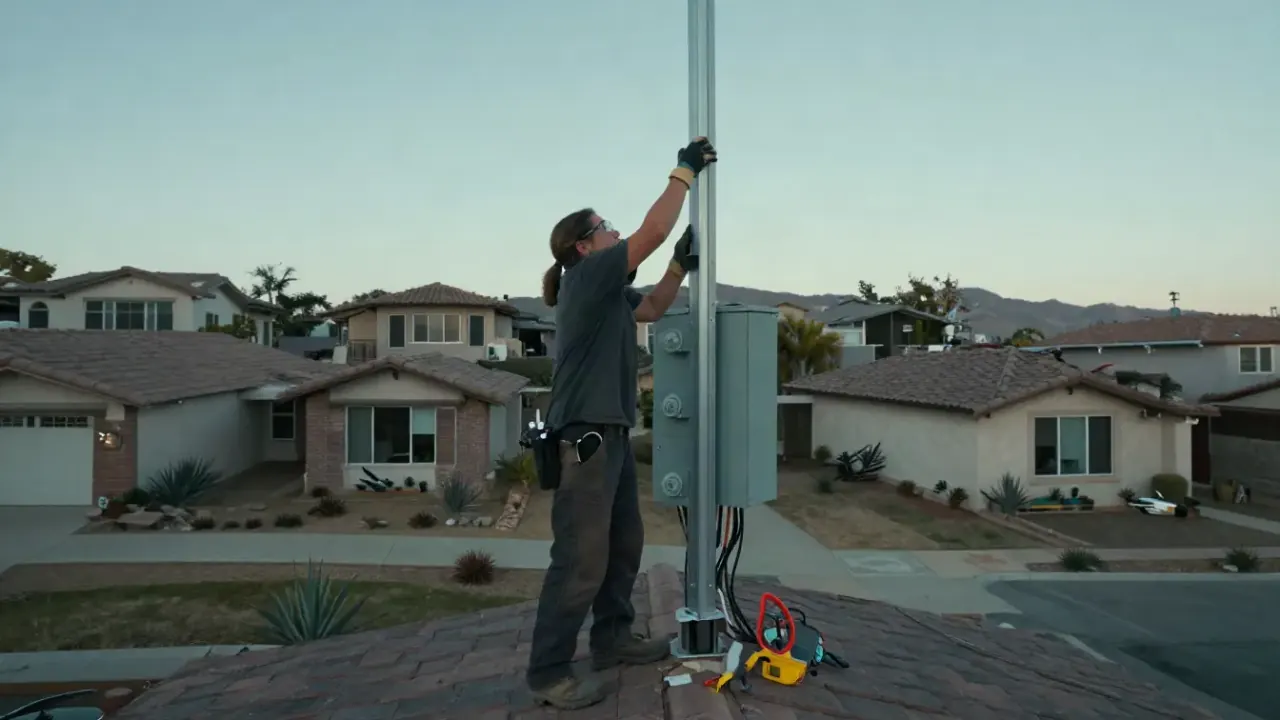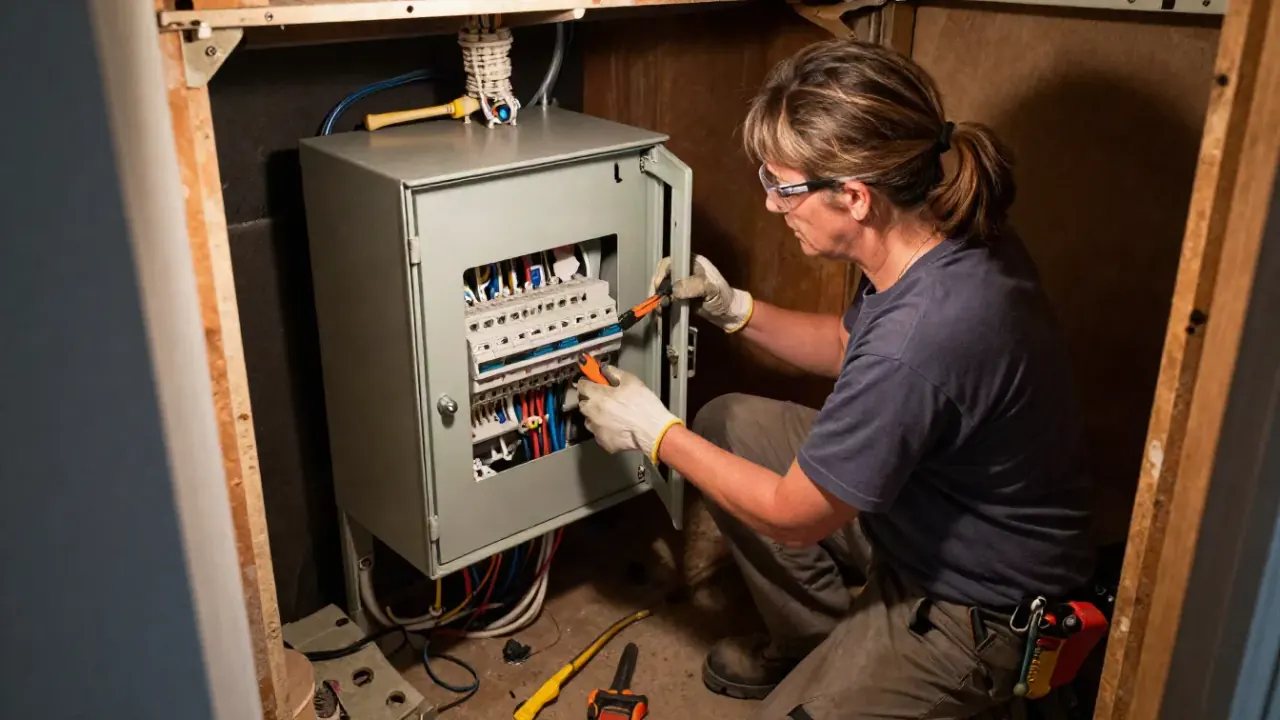
For Upland homes
We add subpanels for garages, ADUs and shops so your main panel stops carrying every load. You get labeled breakers and a passed inspection.
- Garage needs more outlets
- ADU needs its own feed
- Main panel is full
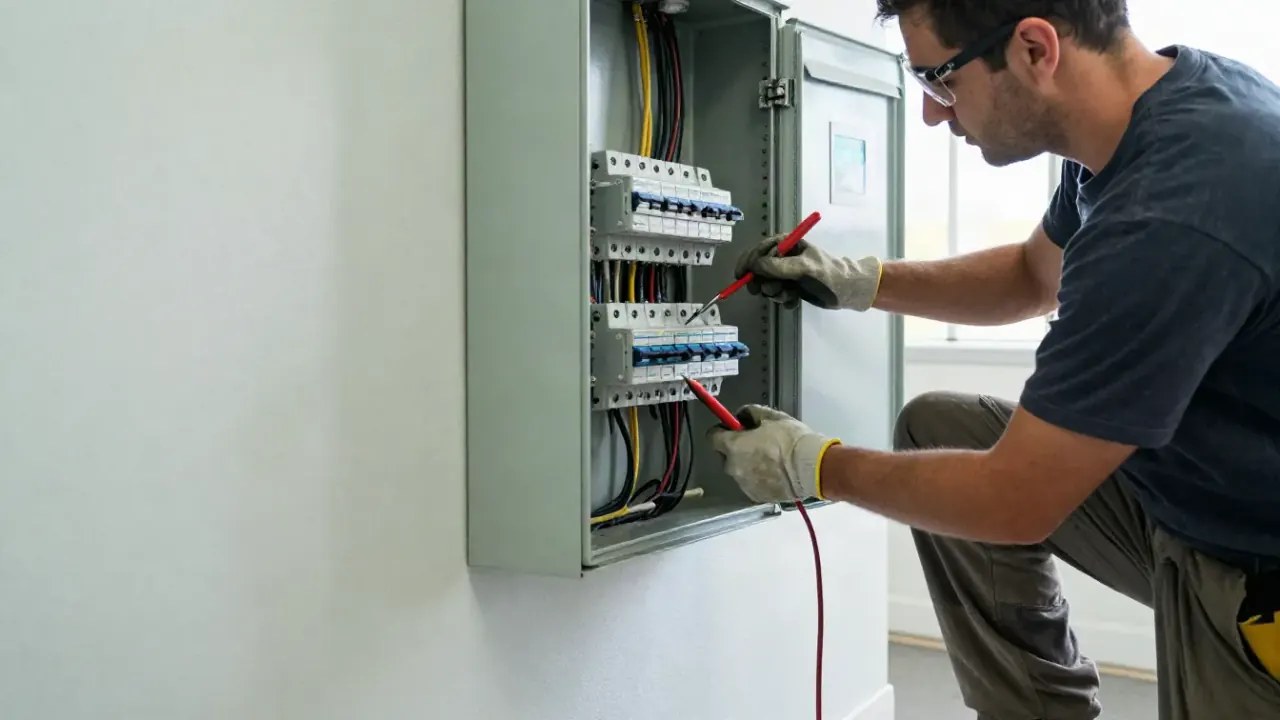
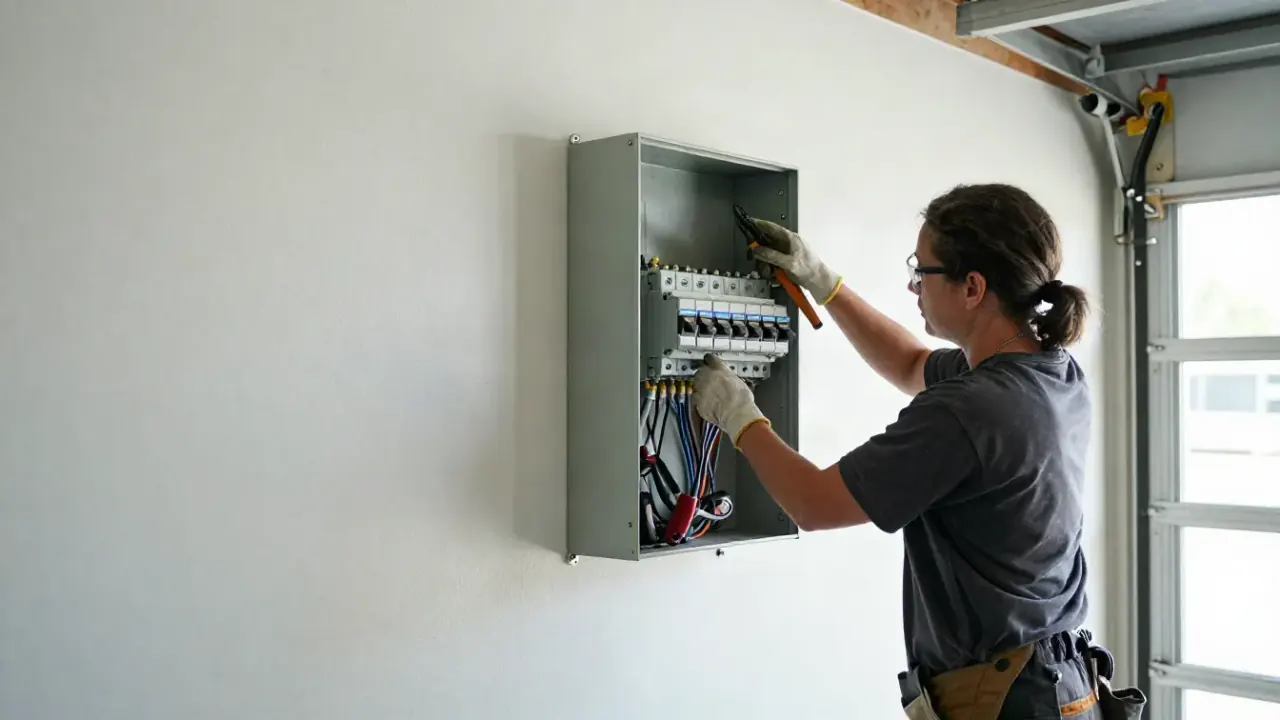
Subpanel installation Upland CA homeowners call us for solves one problem: your main panel is full, and you still need power in the garage, the ADU or the back workshop. We run the feeder, set the breaker, land the grounds and neutrals, and leave you with labeled circuits that pass inspection. If you have been searching for sub panel installation near me Upland, we work San Bernardino County every week.
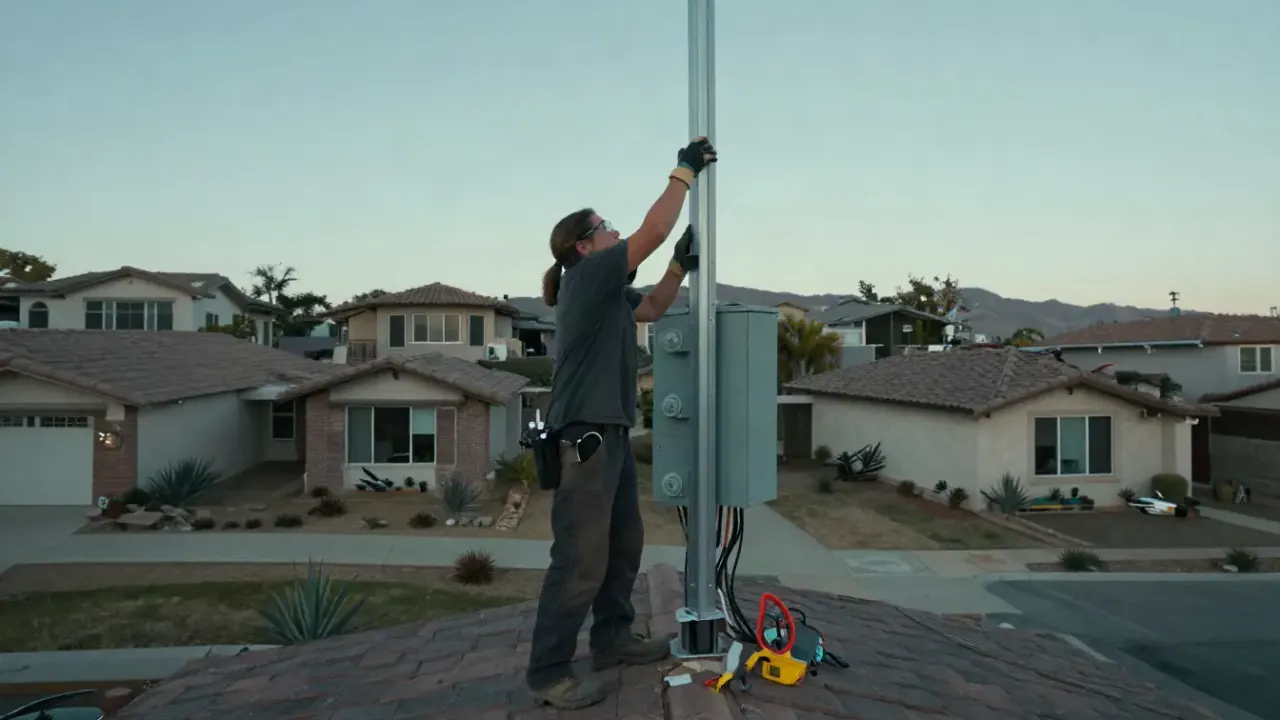 Load readingPanel labelingPermit filed
Every permitted subpanel job includes the panel, feeder, breakers, labeling and inspection coordination. Here is what is covered in a standard quote, and what we handle as an add-on when your situation calls for it.
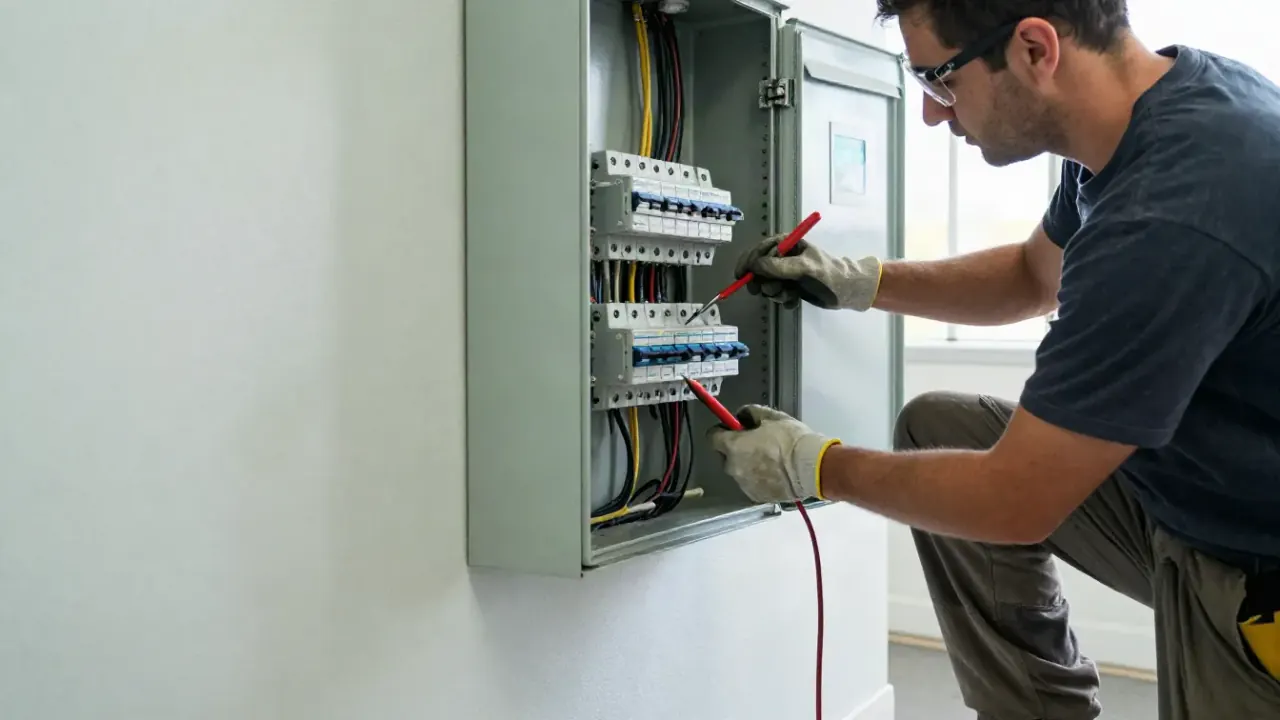
We clamp the service mains, map every existing circuit, and give you a written amp-availability number. This is the document that decides whether a subpanel is legal on your current service or whether a service upgrade comes first.
Includes a new subpanel matched to your main brand, a double-pole feeder breaker, copper feeder conductors sized to code, and the branch breakers for the circuits you are adding. AFCI and GFCI breakers are included where the code requires them.
We supply and install EMT or PVC conduit, straps spaced to code, weatherproof fittings for exterior runs, and a grounding electrode conductor where the subpanel is in a detached structure. Underground runs are trenched to the required 18-inch depth.
We file the electrical permit with the City of Upland, meet the rough and final inspectors on site, and correct anything they flag at no extra charge. You get the approved inspection card for your records and for future resale disclosure.
Every breaker gets a printed label, the panel schedule is typed and mounted inside the door, and each circuit is tested under load with a multimeter before we leave. You get a walkthrough of what feeds what so you can reset a breaker with confidence.
We vacuum drywall dust, sweep the work area, and haul away the old breakers, wire scraps and packaging. The only thing left behind is the new panel, the labels and the inspection card.
The approach is the same for a home and a business. What changes is the access, the schedule and who needs the paperwork.
We add subpanels for garages, ADUs and shops so your main panel stops carrying every load. You get labeled breakers and a passed inspection.
We install subpanels for shops, small commercial garages and rental units that need separated power. Each panel is labeled and inspected.
A plain-language look at what Subpanel Installation involves and when it is needed.
See how it worksA subpanel installation Upland CA is the work of adding a second, smaller load center that is fed from your existing main service panel. We pull a feeder circuit, usually 240-volt, from a double-pole breaker in the main panel, run it through conduit to the new location, and land it on lugs in the subpanel. From there, individual branch circuits feed your garage outlets, ADU kitchen, shop tools or EV charger. The subpanel gets its own main breaker or main lugs, its own neutral bar and ground bar, and a schedule of labels so the next electrician knows exactly what feeds what.
Most Upland homes built before 1985 have a 100-amp main panel with two or three open spaces, which is not enough for a detached ADU, a 60-amp shop circuit and a Level 2 charger. That is when an auxiliary panel installation Upland, California becomes the practical answer instead of a full service upgrade. We see it constantly in San Antonio Heights and the older blocks near Historic Downtown Upland, where garages were wired for a single 15-amp circuit and nothing else. A subpanel gives you room to grow without touching the meter main.
A subpanel adds circuits without replacing your main service.
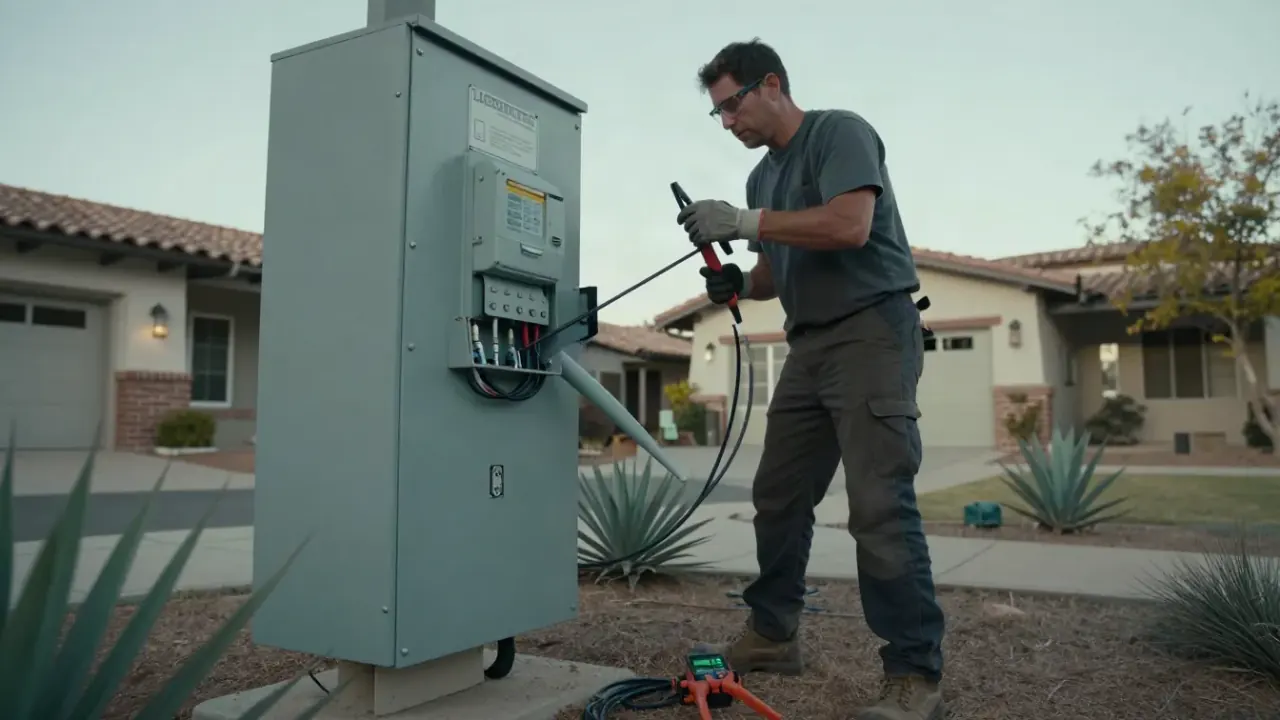
Every job follows the same five steps, whether it is a 60-amp garage panel or a 125-amp ADU feed. Here is exactly what you experience from the first call to the final label.
We start with a full load calculation on your existing service, using a clamp meter on the mains and a circuit breaker finder to map every live circuit. You get a written result showing how many amps are actually available. This takes about 45 minutes and tells us whether a subpanel is legal or whether you need a service upgrade first.
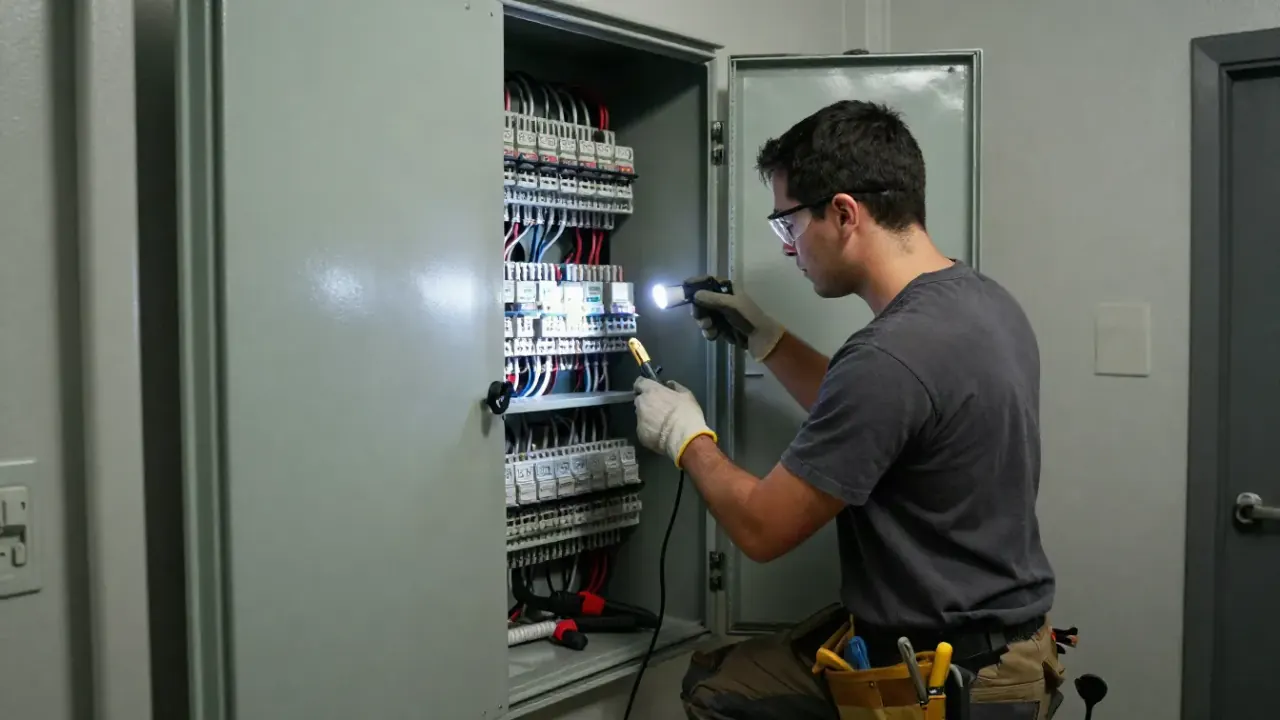
We pick the subpanel size, usually 100 or 125 amps, and choose the brand that matches your main: Square D, Eaton or Siemens. Then we walk the feeder route with you, through the attic, along the exterior wall or underground in conduit. You approve the location before we cut anything.
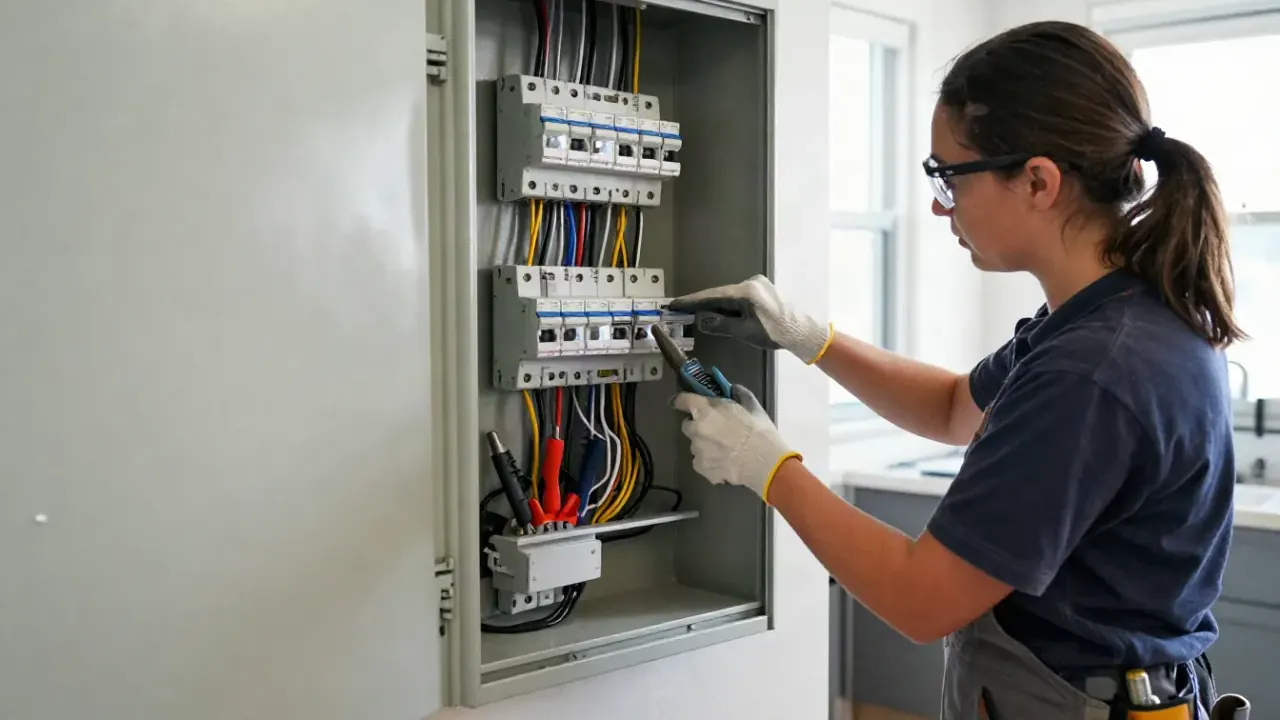
We pull the city electrical permit and schedule the rough inspection. On install day we mount the panel, bend and secure conduit with a conduit bender, pull copper feeders with fish tape, and torque every lug with a torque screwdriver to the manufacturer spec printed on the label.
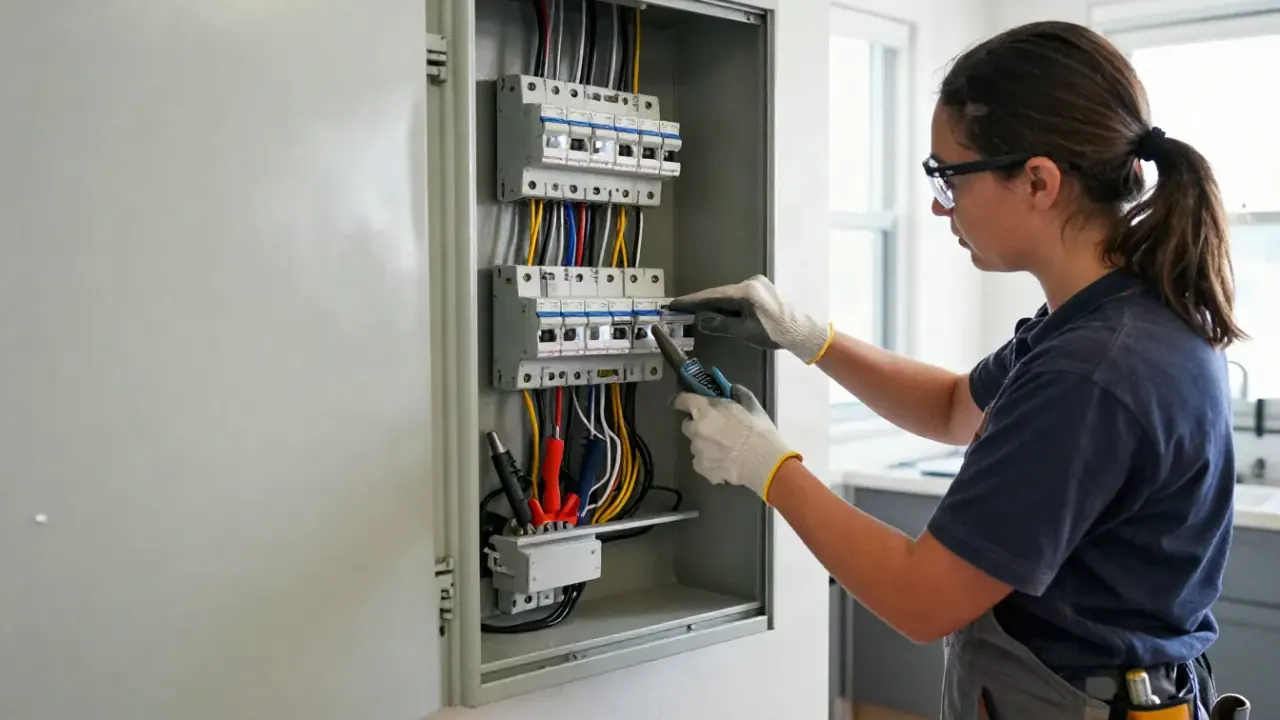
We land the feeder on a double-pole breaker in the main panel, separate grounds and neutrals on their own bars in the subpanel, and install AFCI breakers for bedroom and living-area circuits plus GFCI breakers for garage, bath and outdoor receptacles. Every termination is checked with a voltage tester before we energize.
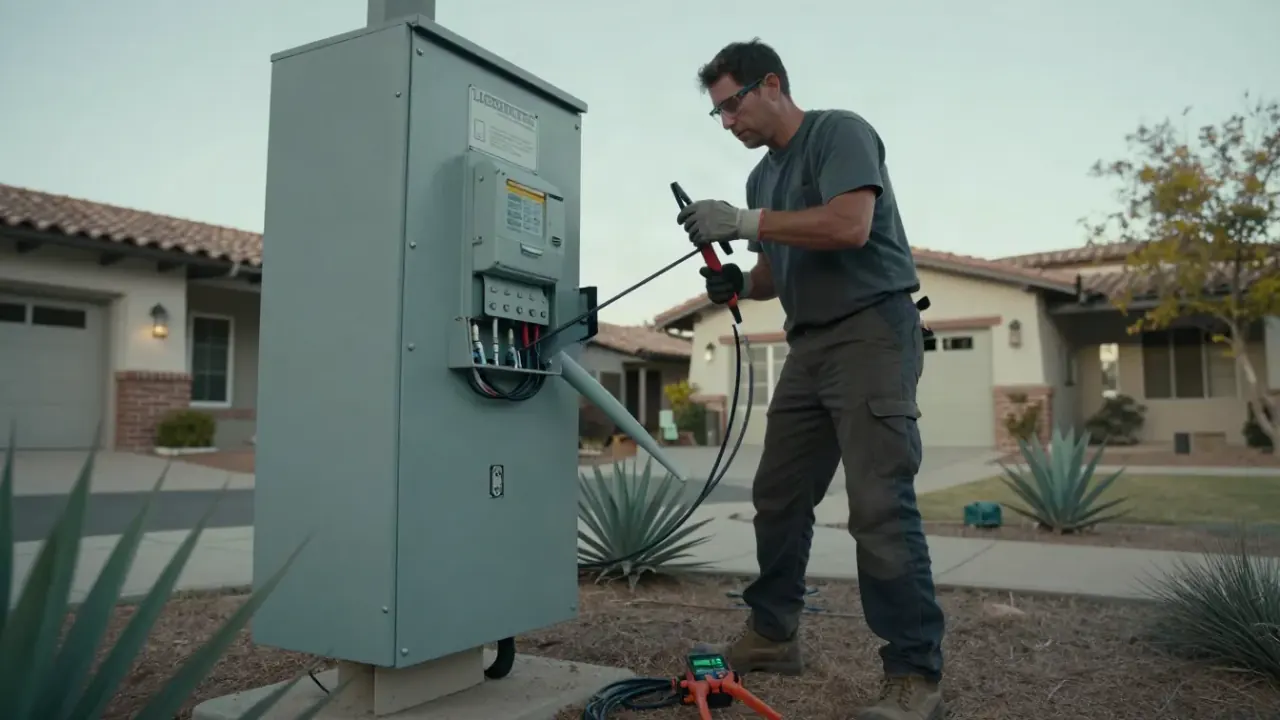
We print a full panel schedule, label every breaker, and test each circuit under load with a multimeter. Then we walk you through what feeds what and hand over the permit card and inspection paperwork. Most residential jobs are energized the same day, with final inspection within 5 to 10 business days.
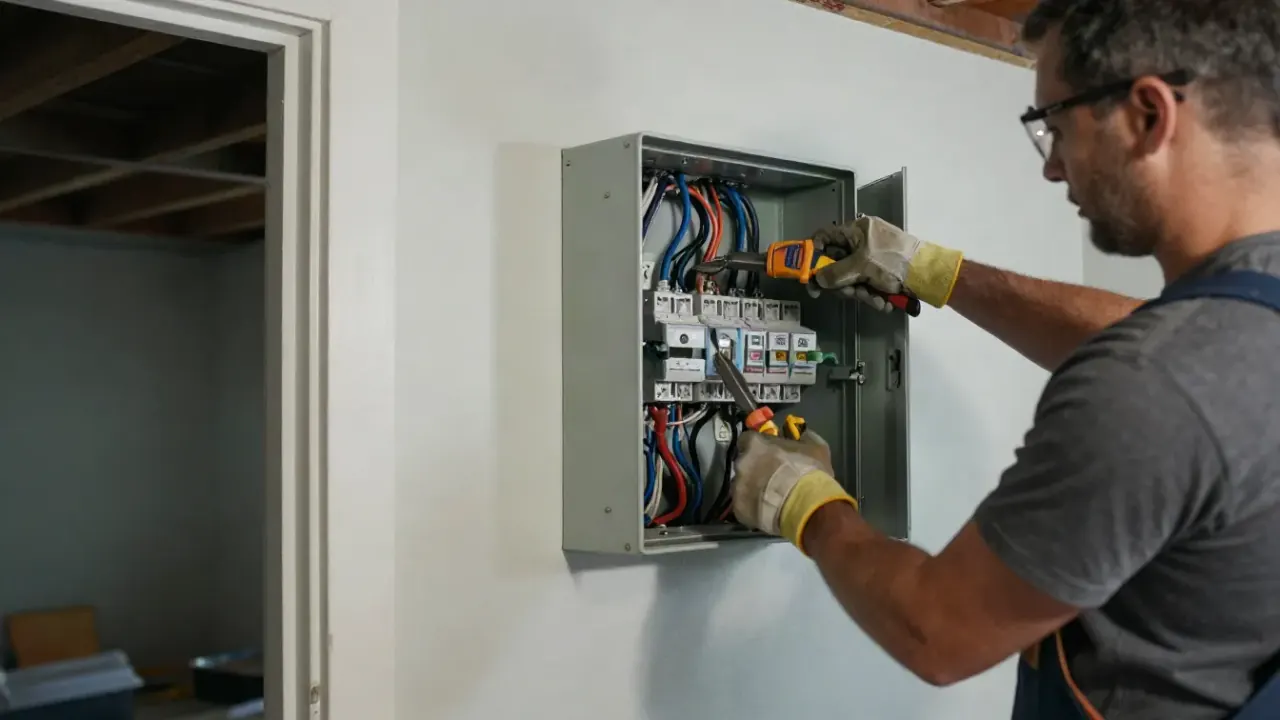
Move across a circle, or focus it and press Enter, for an illustrative thermal view of the photograph.
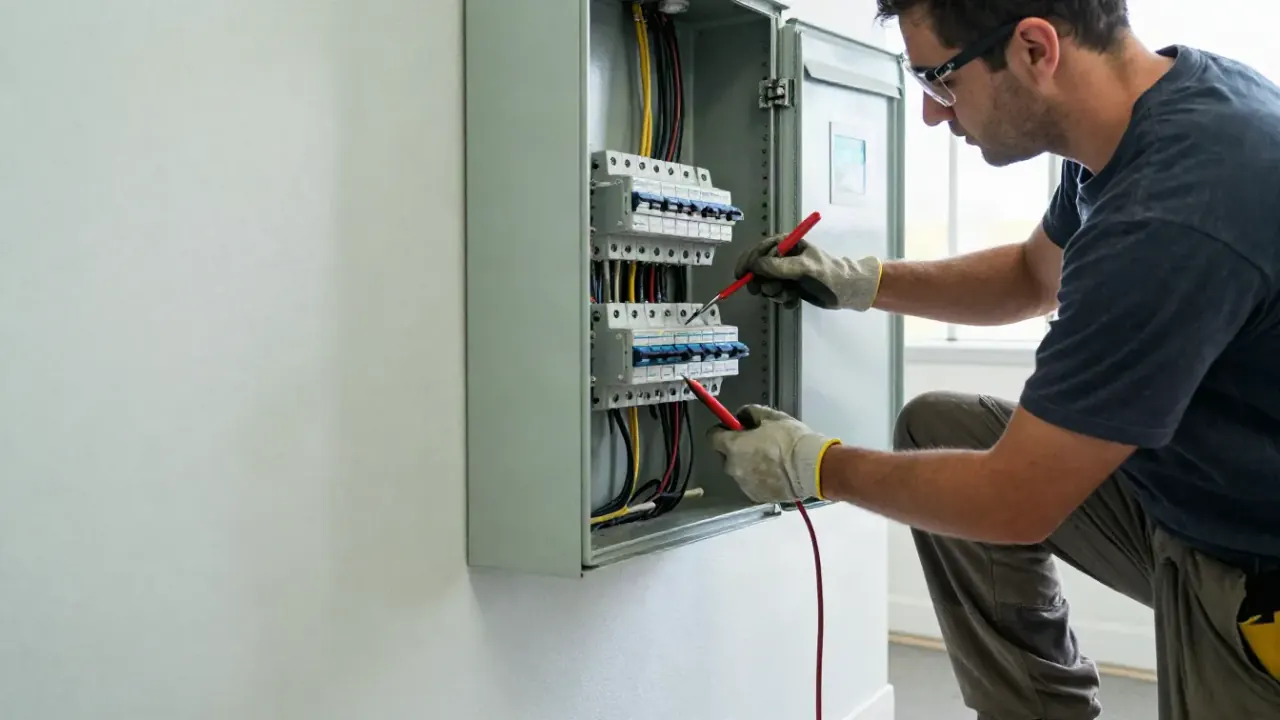
Used on the service mains to measure actual amp draw before we size a feeder. This is how we confirm whether your existing service has capacity for a subpanel.
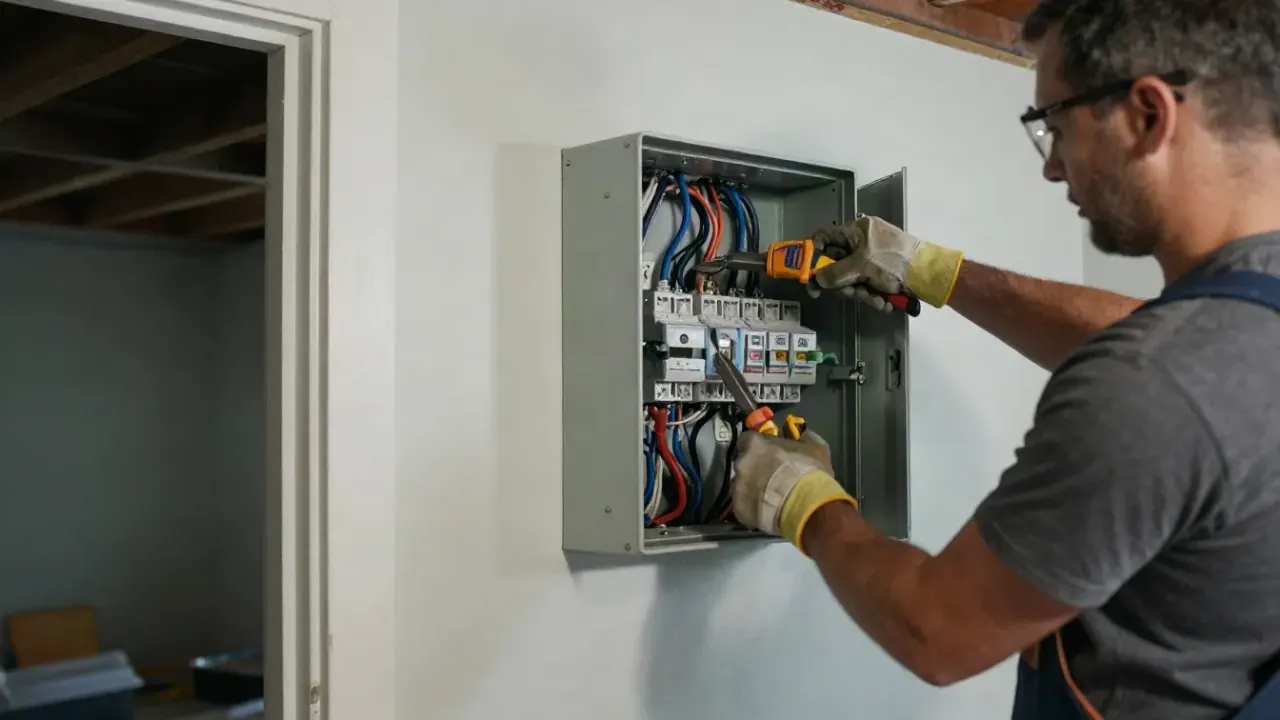
Every lug and breaker terminal is tightened to the inch-pound spec printed on the panel label. Under-torqued lugs are a leading cause of panel fires.
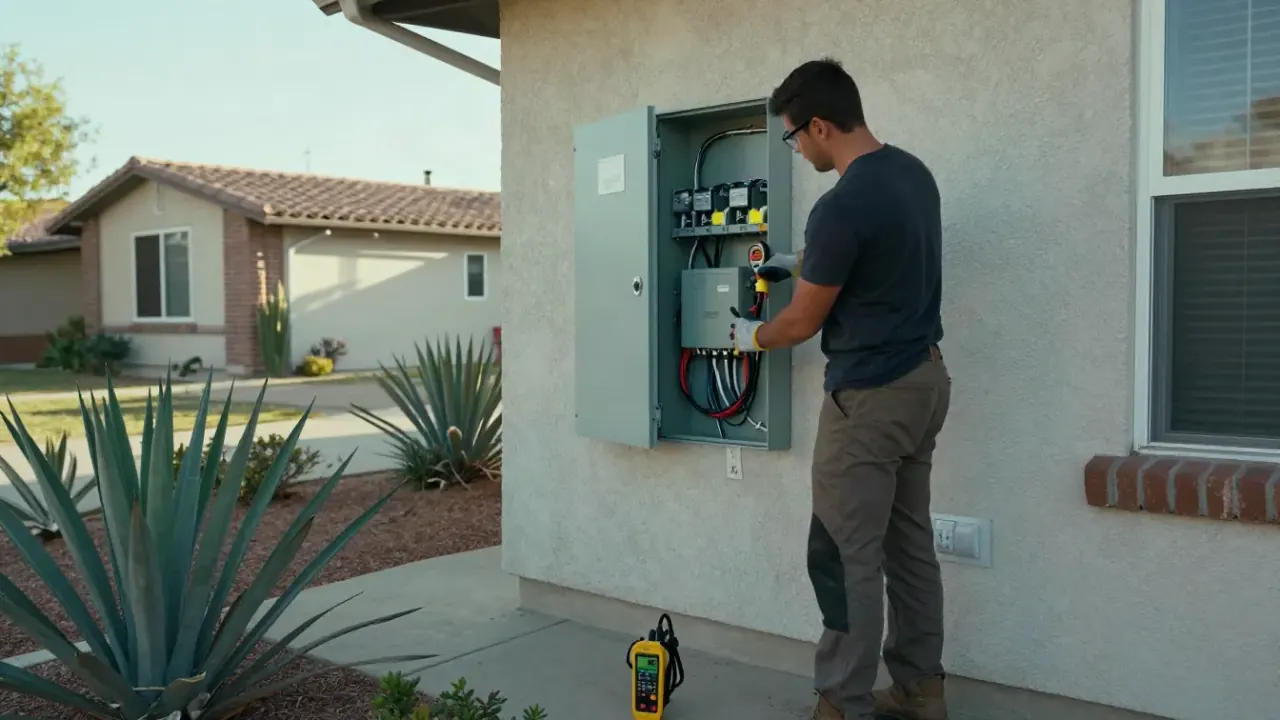
Maps existing circuits to their breakers so we can move loads to the subpanel without guesswork. Saves an hour on a typical Upland home with unlabeled circuits.
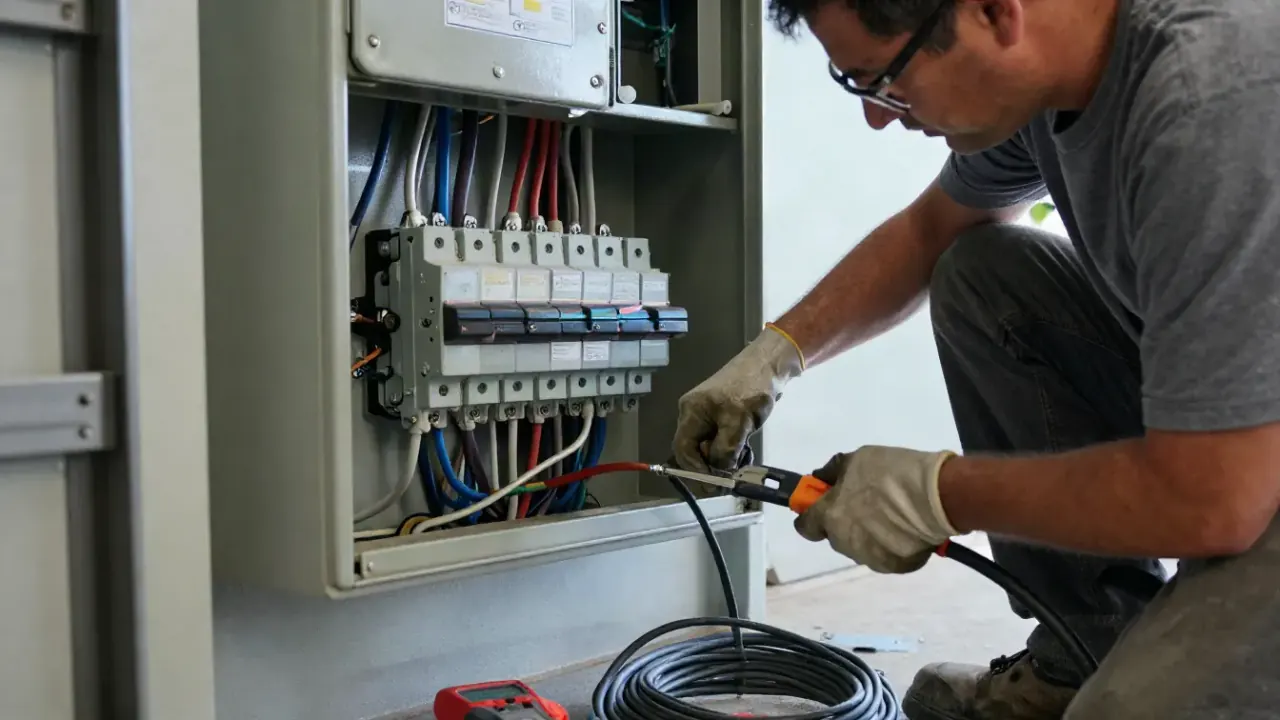
Pulls feeder conductors through finished walls and bends EMT or PVC conduit to code radius. Clean bends mean the wire pulls without insulation damage.
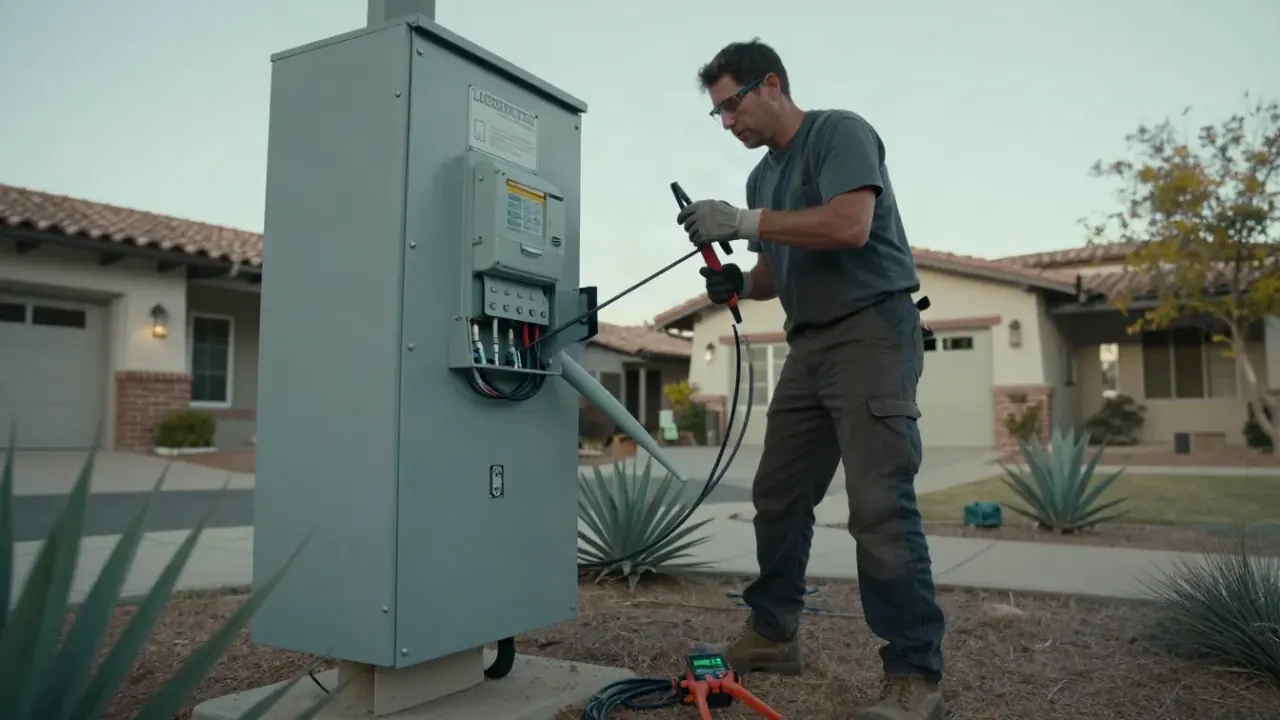
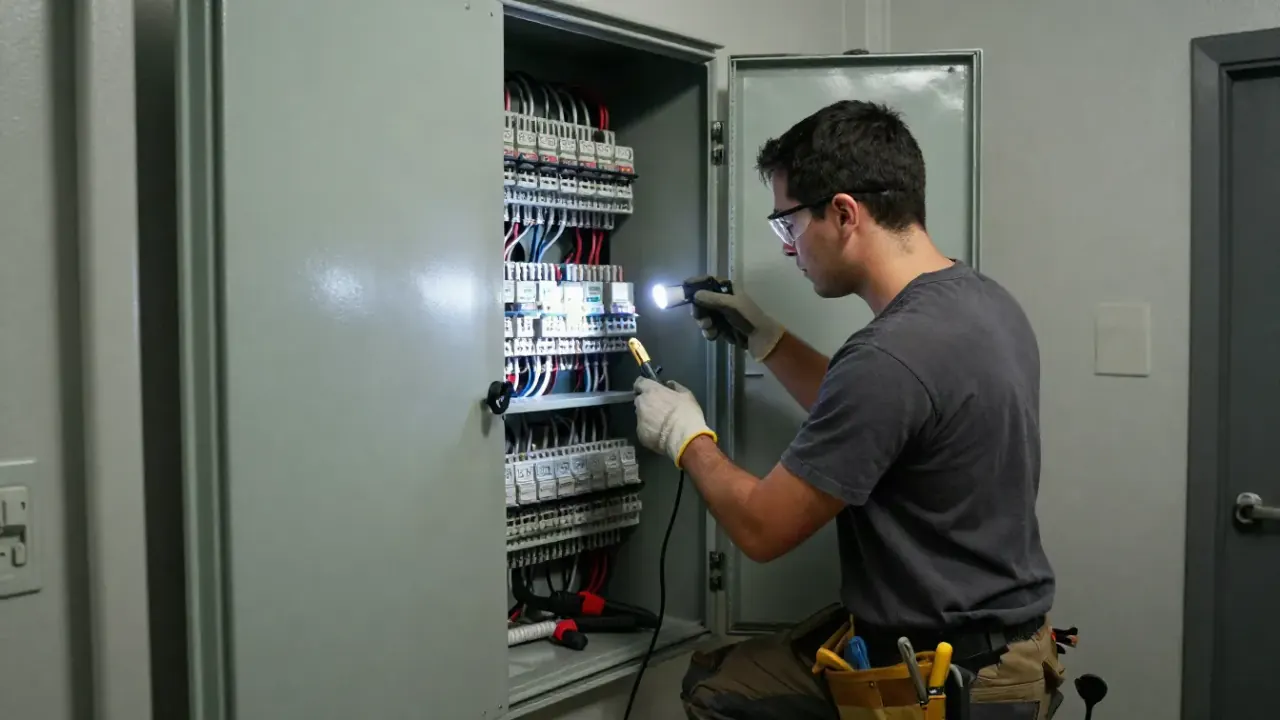
Confirms de-energized panels before work and tests every new circuit under load before we close up. No circuit gets energized untested.
Thermal views are illustrative, generated from the photographs.
Standard PPE for any live-panel connection. We de-energize whenever possible, but the main lugs stay hot on most service work.
We calculate existing load using the standard method in NEC 2020 Article 220, then compare it to your service rating. The result tells us the maximum feeder size your main panel can legally support before a service upgrade is required.
In every subpanel, the neutral bar and ground bar are kept separate and the bonding screw is removed. This is required by the California Electrical Code and prevents objectionable current on the grounding system.
AFCI breakers go on bedroom, living area and closet circuits. GFCI breakers go on garage, bath, kitchen, laundry and outdoor receptacles. We match the breaker type to the room, not to convenience.
Every subpanel we install is filed with the City of Upland and inspected. The approved card stays with the property, which protects you at resale and keeps your insurance valid.
We type a full schedule and mount it inside the panel door, then label each breaker. Future service calls take minutes instead of an hour of circuit tracing.
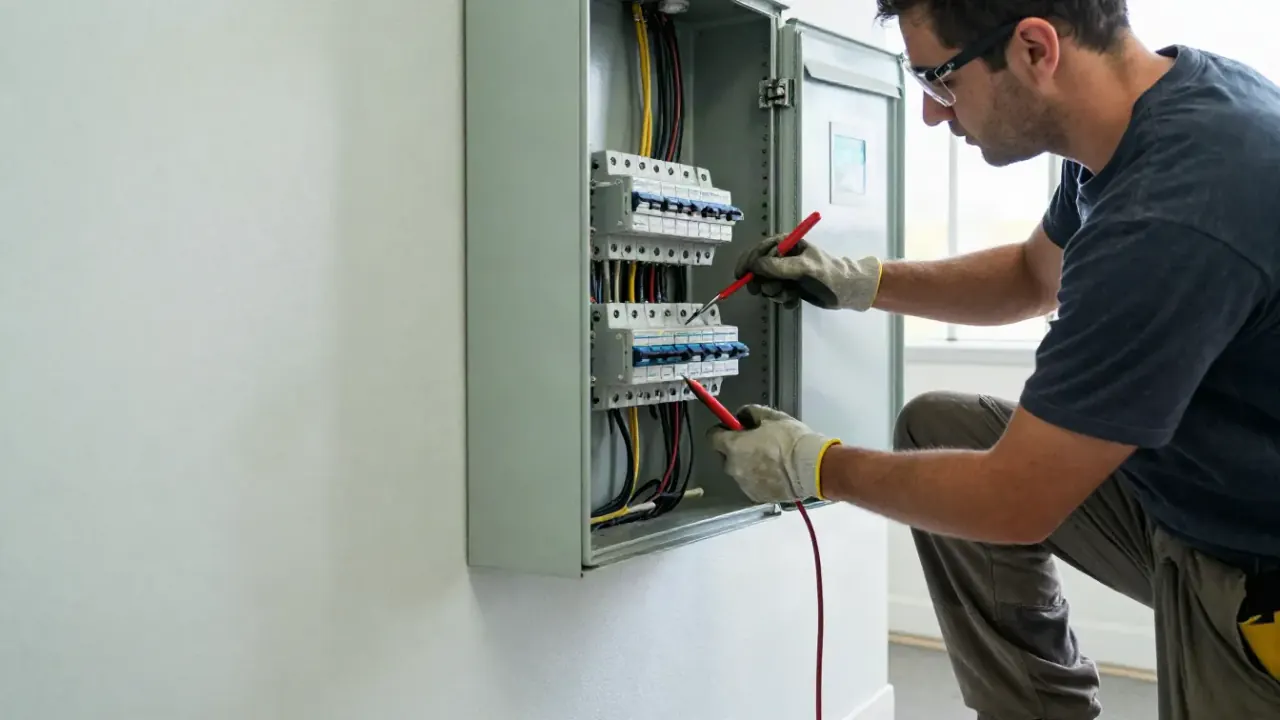
A homeowner in Upland Hills wants a Level 2 EV charger in the garage but the main panel has no open 240-volt spaces.
We install a 100-amp garage subpanel fed from the main panel, then land the 240-volt EV circuit on it with a dedicated 50-amp breaker. The load calculation confirms the service can carry the extra draw.
Outcome: The charger runs at full amperage, the main panel stays within its rating, and the homeowner has open spaces left for future circuits.
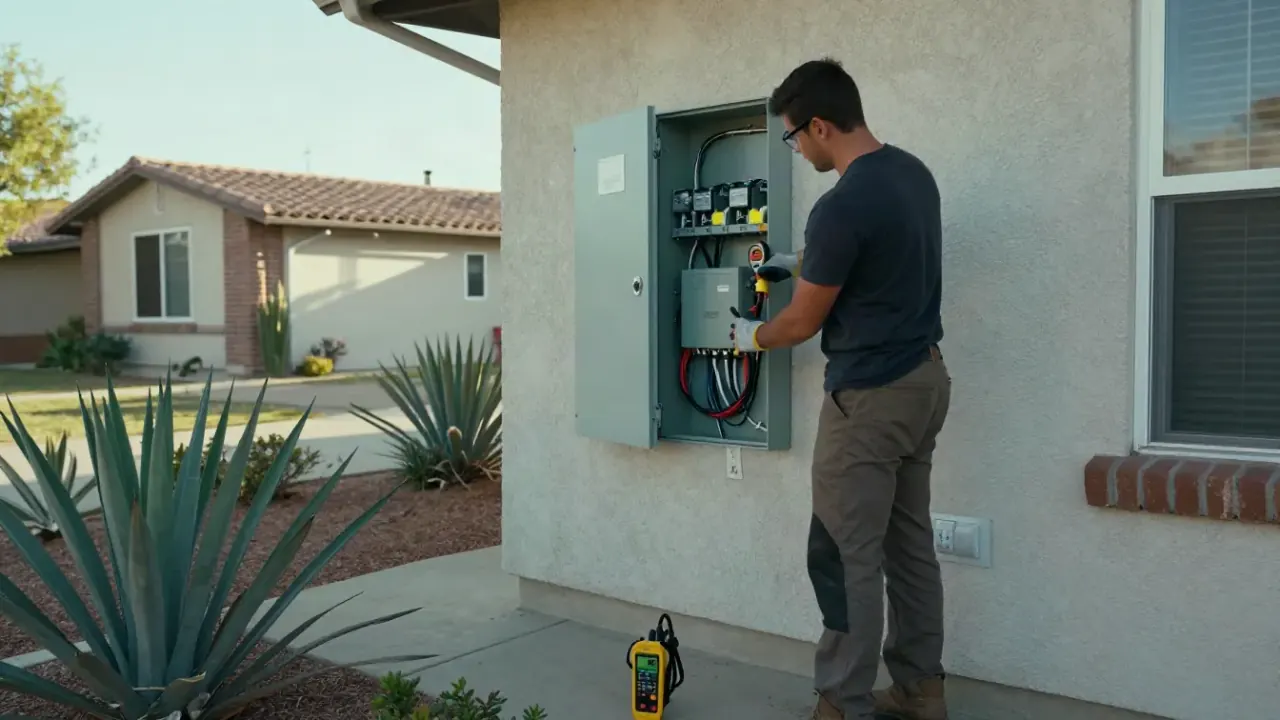
A property owner near Historic Downtown Upland is converting a detached garage into a rental ADU and needs a separate electrical feed.
We run an underground feeder in PVC conduit, set a 125-amp subpanel in the ADU, and install AFCI and GFCI breakers for the kitchen, bath and living area. The city permit is filed under the main house address.
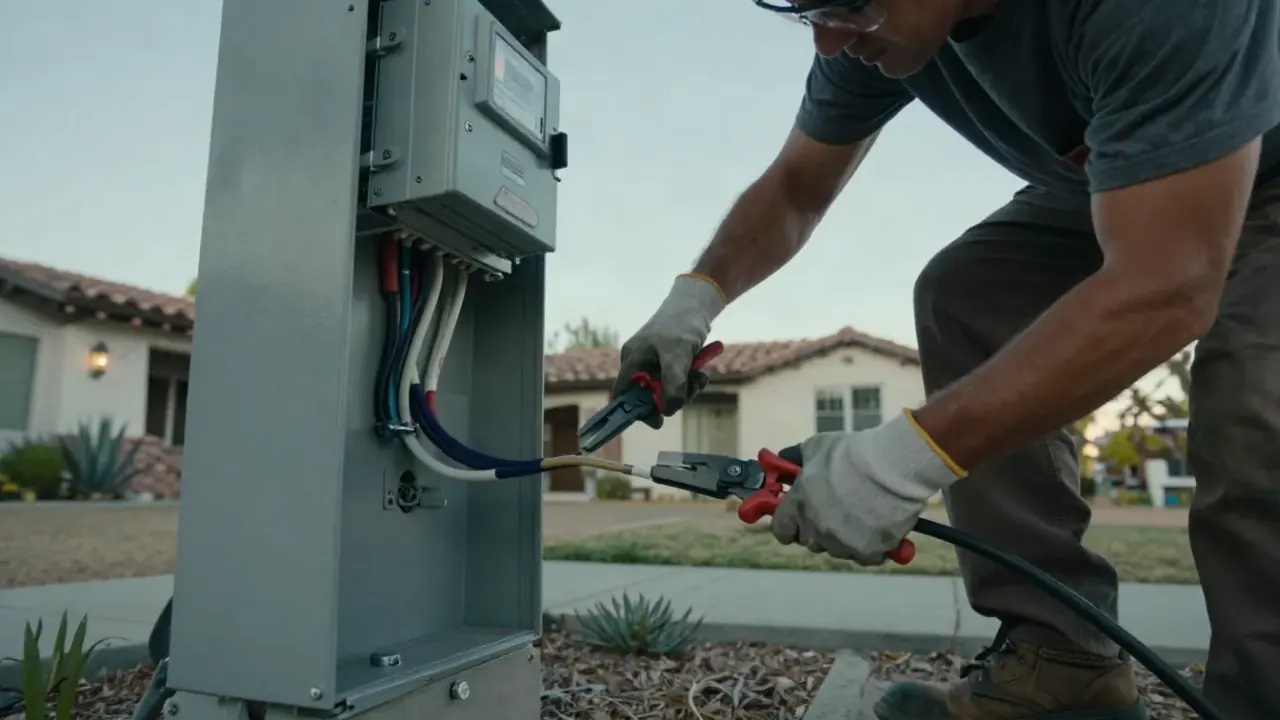
A woodshop owner in North Upland keeps tripping the main breaker when the dust collector and table saw run together.
We clamp the mains under load, confirm the overload, and install a 100-amp shop subpanel with dedicated 240-volt circuits for each major tool. The old shared circuits are abandoned and labeled.
Outcome: No more nuisance tripping, tools run at full power, and the main panel operates well under its amp rating.
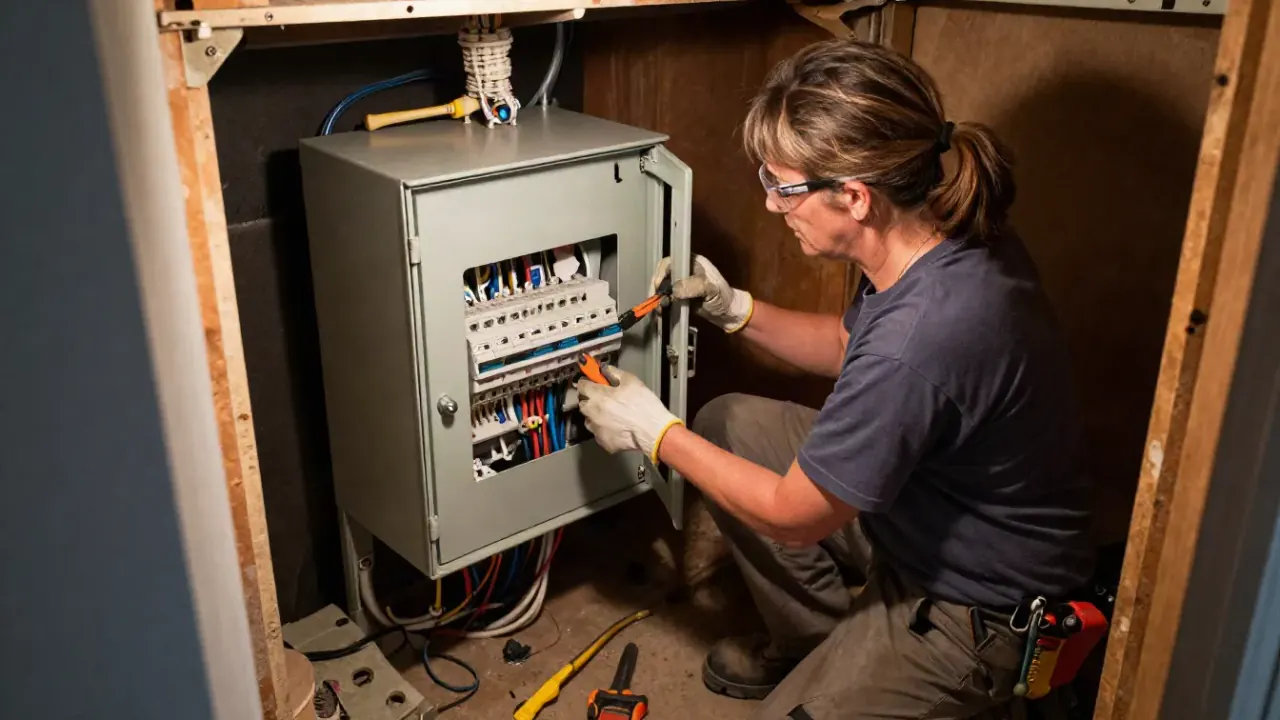
A homeowner in The Colonies is adding a pool pump, pool heater and outdoor lighting on one new circuit.
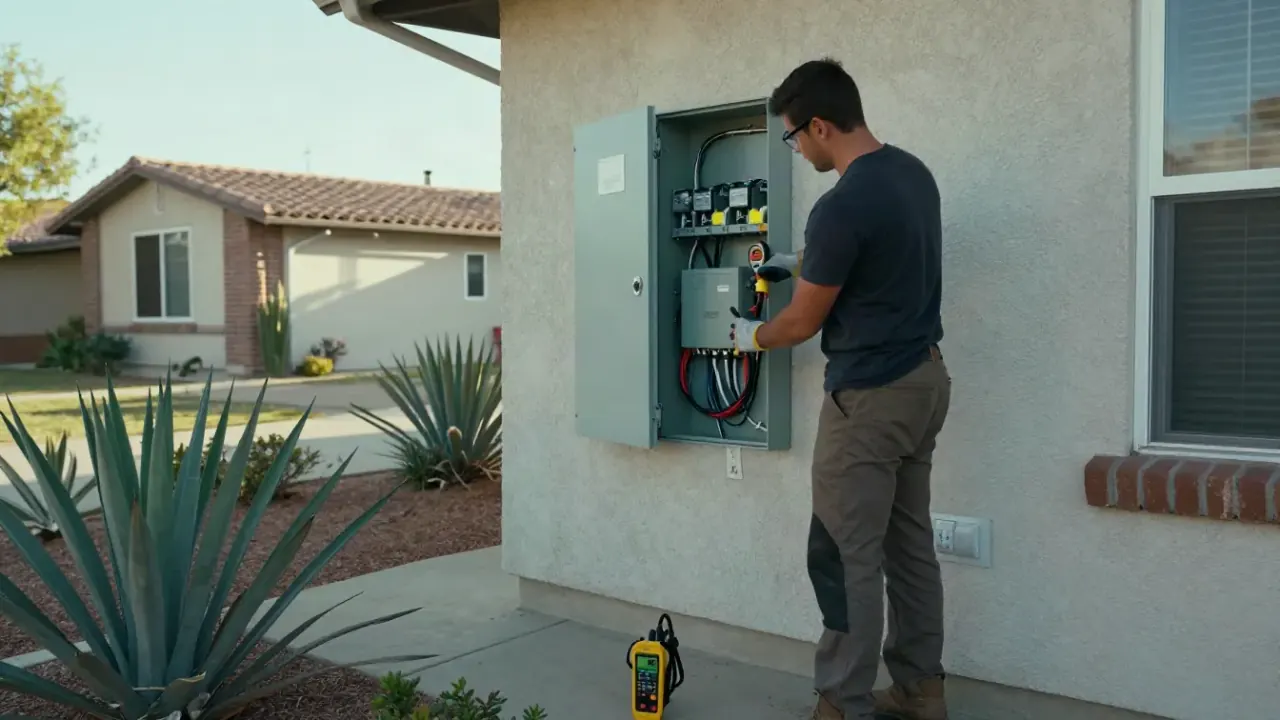
We set a 60-amp exterior subpanel near the equipment pad, feed it from the main panel, and install GFCI breakers for the pump and lighting circuits. Everything is labeled and weather-rated.
Outcome: Pool equipment has its own dedicated power, the main panel stays clean, and the outdoor circuits are code-compliant and safe.
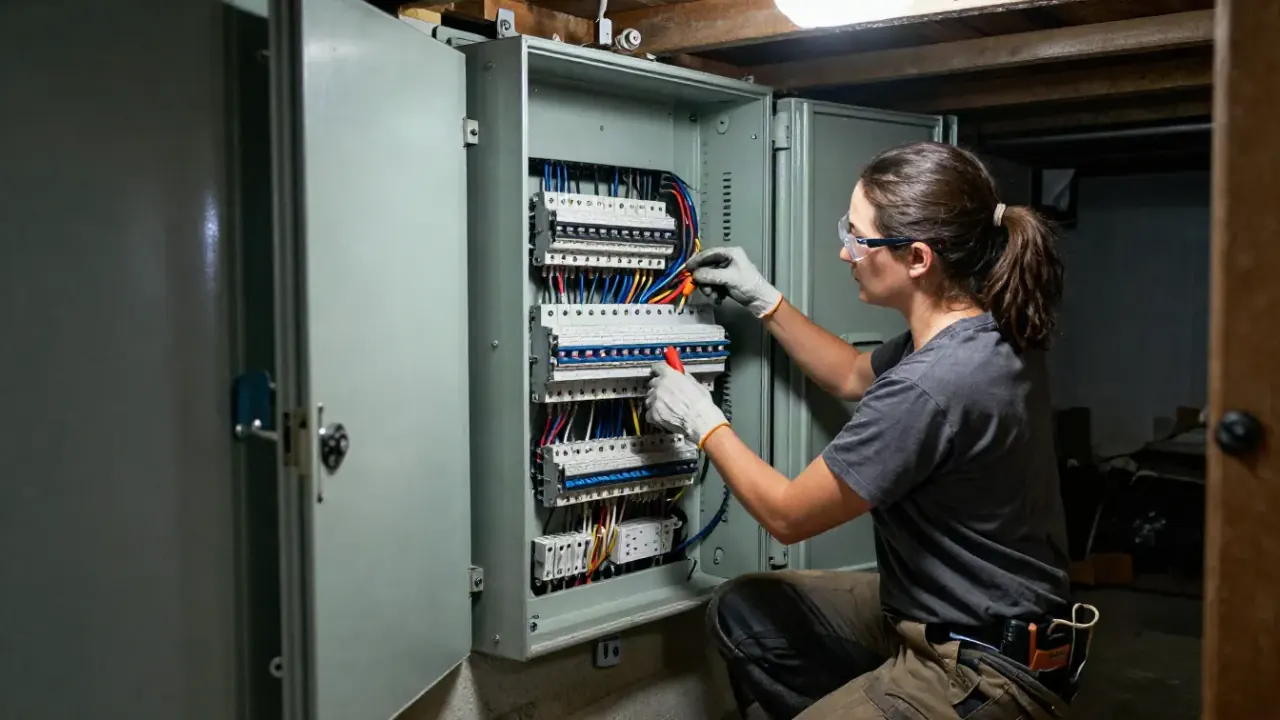
A landlord in Upland Palms needs to separate garage and laundry power from the tenant's house panel to stop breaker conflicts.
We install a small 60-amp subpanel in the garage, move the laundry and garage circuits onto it, and label both panels clearly. The feeder is run in surface-mounted conduit along the exterior wall.
Outcome: Tenant and landlord circuits no longer fight for the same breaker spaces, and service calls drop because each panel is clearly labeled.
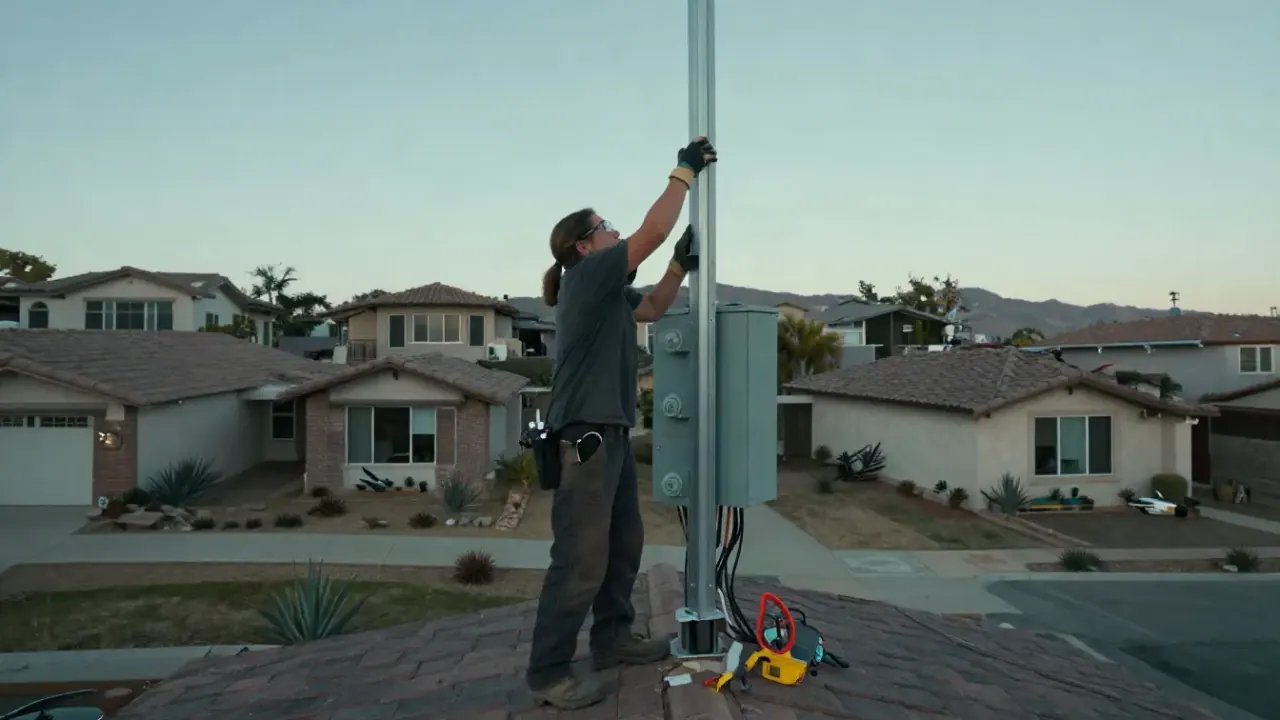
Upland's housing stock splits into two eras, and each one changes how we approach a subpanel. The older blocks around Historic Downtown Upland and San Antonio Heights were built in the 1950s and 1960s with 100-amp service, often with a fuse box or an early breaker panel and a detached garage on a single 15-amp circuit.
Those homes usually need a load calculation first, because the service may only have 30 to 40 amps of headroom. Newer builds in The Colonies and Upland Hills came with 200-amp panels and more open spaces, so a garage subpanel installation Upland job there is often a half-day of work.
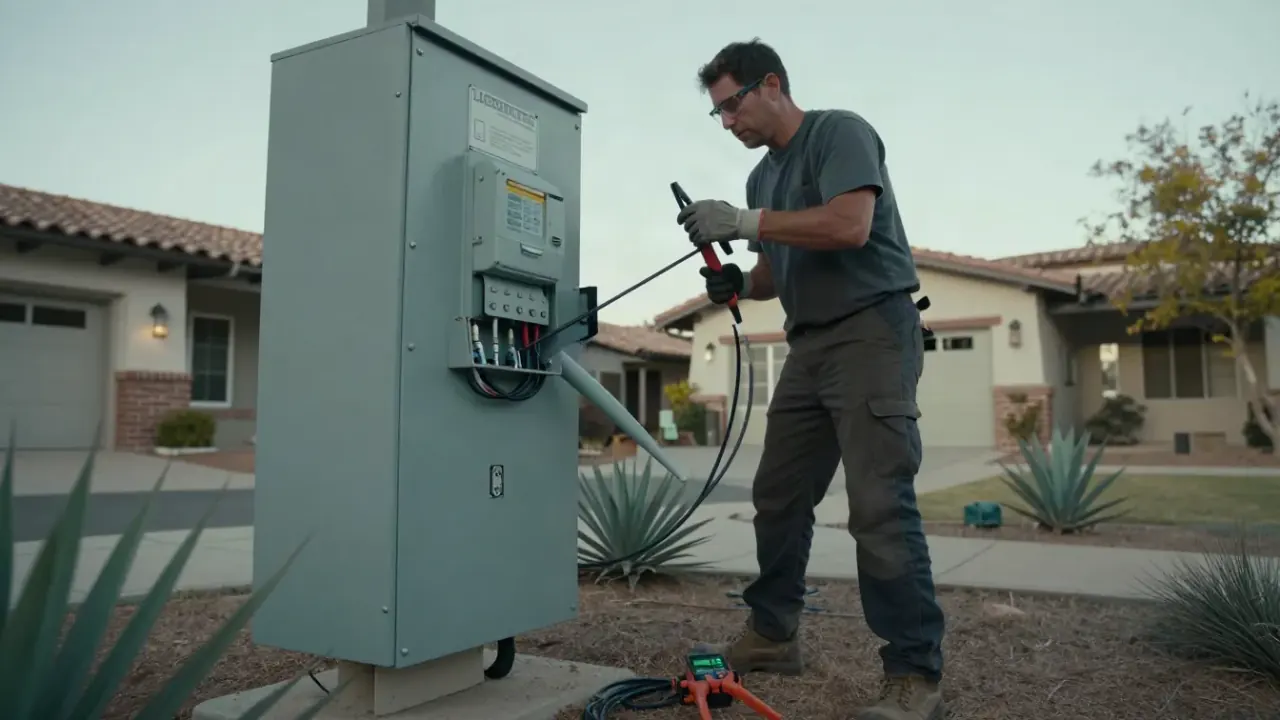
Inland Empire heat matters too: summer attic temperatures hit 130 degrees, so we run feeders through cooler wall cavities or underground conduit when the route allows.
Before: A San Antonio Heights home had a detached garage running off one 15-amp circuit with a single outlet and two shop lights. Extension cords ran across the driveway for the table saw, and the main panel had no open spaces.
After: We installed a 100-amp Square D subpanel in the garage, ran a feeder in underground PVC conduit, and added six labeled circuits including a 240-volt table saw circuit. The main panel dropped from 82 amps to 54 amps under normal load.
Keep the panel schedule updated when you add circuits, and check breaker terminals for tightness every few years. We leave the torque spec sheet inside the panel door.
Before: A property owner near Historic Downtown Upland converted a detached garage into a one-bedroom ADU but had no legal electrical feed. The unit ran on an extension cord from the house, which failed the city inspection.
After: We filed the ADU subpanel installation Upland CA permit, ran a 125-amp feeder, and installed AFCI and GFCI breakers for the kitchen, bath and living area. The unit passed rough and final inspection on the first visit.
Test the GFCI breakers monthly with the test button, and keep the inspection card with your property records for resale disclosure.
Before: A North Upland shop owner tripped the main breaker every time the dust collector and table saw ran together. The main panel was a 100-amp unit with the shop sharing circuits with the house laundry.
After: We clamped the mains at 94 amps under load, then installed a 100-amp shop subpanel with dedicated 240-volt circuits. The main panel now reads 51 amps with the shop running at full load.
Vacuum dust out of the subpanel twice a year and check that breaker handles move freely. Dust buildup is the main cause of nuisance tripping in shop panels.
Most calls start with one of these four symptoms. A subpanel fixes three of them outright and tells you when the fourth needs a different repair.
More circuits, less load on your main panel, and labeled breakers.
A 100 amp subpanel installation Upland CA adds 12 to 24 breaker spaces in one shot. That is enough for a garage freezer, a 240-volt welder, exterior lighting and a dedicated EV circuit without double-tapping anything in the main panel.
Instead of fishing six separate circuits 80 feet back to the main panel, we run one feeder and branch out locally. In a detached Upland garage that saves 40 to 60 feet of copper per circuit and keeps voltage drop under the 3 percent NEC recommendation.
An ADU subpanel installation Upland CA permit is required before you can legally meter a backyard unit. We size the panel, pull the permit through the city, and coordinate the inspection so your rental or in-law suite is signed off and insurable.
Overloaded electrical panels run hot at the bus bars. Moving garage, shop and outdoor loads to a subpanel drops the amp draw on your main, reduces nuisance breaker tripping, and extends the life of equipment that would otherwise be replaced at three times the cost.
What a written scope covers and what shapes it. Prices are set by the business after the first look.
Included
Depends on
Clear records you can keep and share.
Typed and mounted inside the door
Written amp reading from the mains
Approved city card for your records
Images of the finished panel and labels
Your main panel connects to the utility. A subpanel connects to the main panel and feeds the circuits you add.
A second load center fed from the main
The circuit that connects the two panels
A list like this tells people straight away whether you cover their street. Not listed? Call and ask: it only takes a minute.
Based in Upland and covering the places around it. Pick one for local details.
A simple 60-amp garage panel with a short feeder sits near the low end. A 125-amp ADU feed with a long underground conduit run, trenching and AFCI/GFCI breakers lands at the top. Panel brand, feeder length and whether the wall is finished drive the number more than anything else.
Yes. The City of Upland requires an electrical permit for any new subpanel, and the work must meet the California Electrical Code. We pull the permit for you, schedule the rough and final inspections, and keep the approved card on site. Skipping the permit can void your homeowner insurance and create a problem when you sell, because unpermitted panel work shows up in title and disclosure searches.
Yes, and it is one of the most common jobs we do. A detached garage typically gets a 60-amp or 100-amp subpanel fed from a double-pole breaker in the main panel. That gives you room for lights, outlets, a 240-volt compressor or welder, and a future EV charger. If you have been searching for subpanel installation for garage near me Upland, we can usually quote it from photos of your main panel and garage wall.
A single-bedroom ADU with mini-split heat, an electric range and a tankless water heater usually needs a 100-amp subpanel. Larger two-bedroom units with electric dryer and EV charging move up to 125 amps. We run the load calculation first, because the answer depends on your appliances and the available capacity in the main service. The ADU subpanel installation Upland CA permit gets filed under the same address as the main house.
Other services from the same team.
Call (909) 850-3163 and we will tell you over the phone whether your main panel has room for a subpanel, or send photos of your panel and garage wall for a firm quote.
Call or email with your address and what the panel is doing, and we will tell you what the job likely involves. We answer calls Monday through Friday, 8am to 6pm, and return messages from Upland, Rancho Cucamonga, and Ontario the same business day. For dead panels and burning smells, say so on the call.